
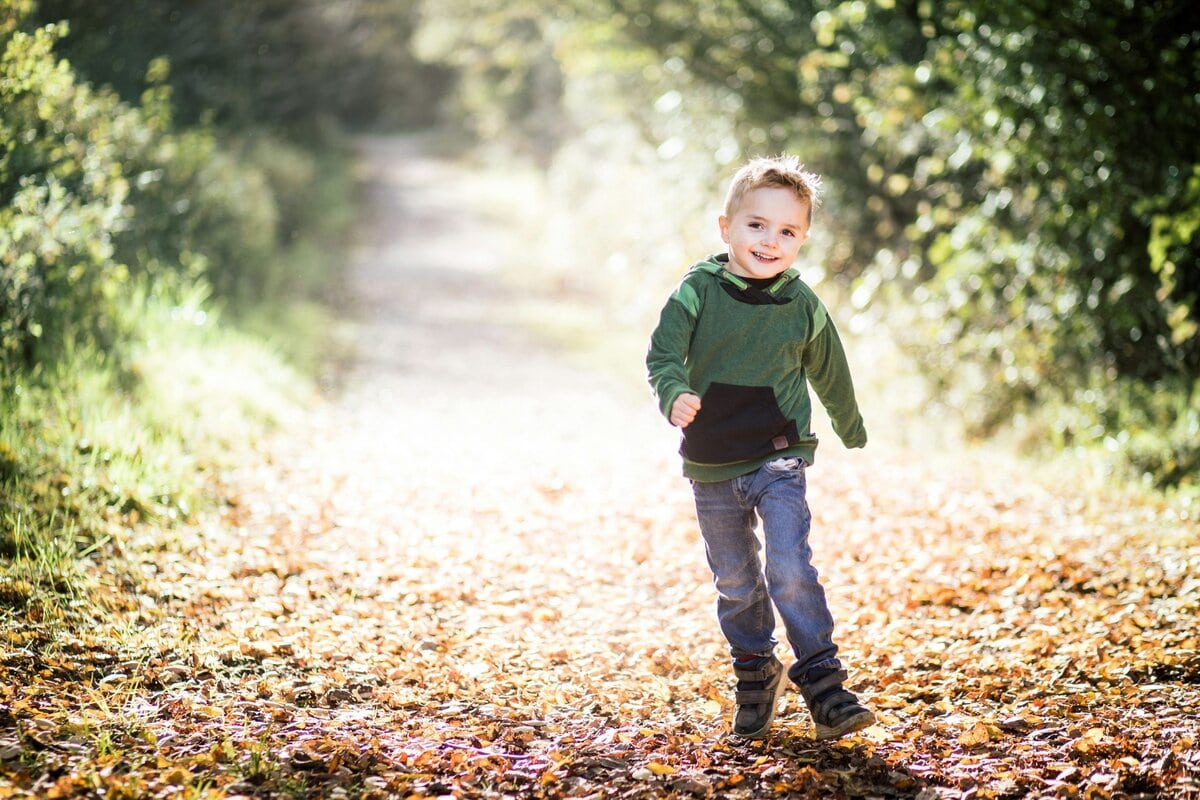
Nature and autism: why there is often less pressure outside
It is not automatically quiet outside. Nevertheless, nature has a more constant effect on many people than typical indoor spaces or busy places. Instead of many short, harsh stimuli, there are often continuous impressions such as wind, footsteps on the ground, rustling leaves or running water. For some people on the autism spectrum, this can be relieving because there is less competing for attention at the same time. There is also a social factor that is easily overlooked. In nature, it is often easier to go at your own pace. You can stop, observe for longer or take a break without immediately creating an expectation.
Of course, the same applies here: not for everyone. Insects, wetness or certain smells can be very unpleasant. It is therefore worth considering nature not as a compulsory program, but as an option that can be adapted to your needs.
What forest bathing can mean in everyday life
Forest bathing sounds like a grand concept, but at its core it is simple. Spending time in the forest or in the countryside, slowly and without a performance goal, with attention for what is there at the moment. Many health promotion articles describe how spending time in a natural environment can reduce feelings of stress and also change physical stress levels in some people. This is not magic, but often a combination of less noise, gentle exercise, fresh air and an environment that is less demanding.
For people who are easily overloaded, contact with nature can be particularly helpful if it remains low-threshold and reliable. Not the big outing as an exception, but a short trip that works regularly.
Plan low-stimulus nature times without making it complicated
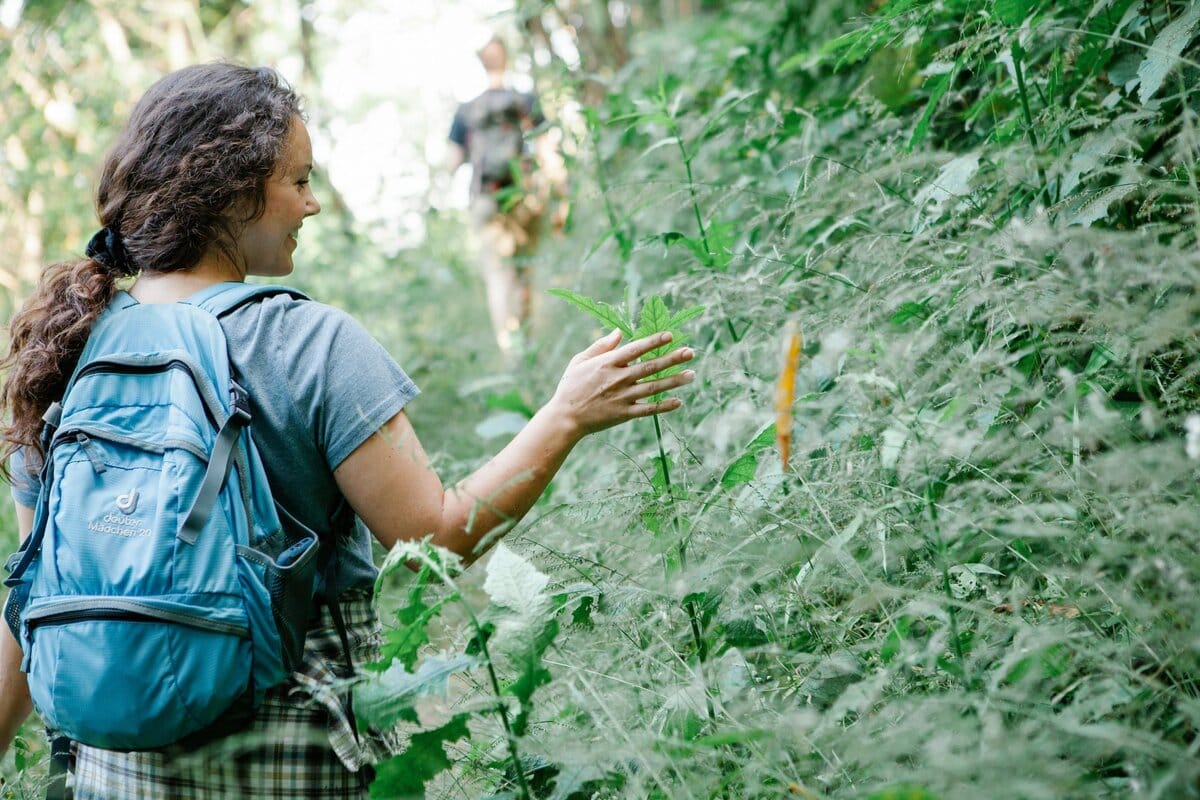
It usually becomes suitable for everyday use through repetition. The same park. A familiar group. A fixed place where you sit for a short time. Familiarity reduces uncertainty and makes it easier to really experience the time as a break. The time of day also plays a role. It is often quieter early in the morning or later in the afternoon.
A small practical kit can help: Water, a snack, tissues, a spare shirt if needed. Not because it would be dramatic, but because small inconveniences can otherwise turn you off more quickly. If you are sensitive to noise, you can bring headphones or ear protection without making nature any less effective.
Nature as a hobby: observing instead of performing
Nature doesn’t have to be sporty. Peace and quiet can also come from doing something small and concrete. Observing clouds, photographing leaves, collecting stones, counting birds or looking for animal tracks. Such activities often go well with interests that revolve around plants, weather or patterns in the environment. And if a day doesn’t go well, it’s not a sign of a lack of motivation, but often simply the shape of the day and energy levels.
More about JuCare
Are you interested in autism-related issues or need therapeutic support? Then it’s worth taking a look at the individual services offered by JuCare: In autism therapy, JuCare helps clients to better regulate stimuli, expand their scope of action and make everyday situations easier. With the family and environment approach, the immediate environment is included so that lasting understanding can be created and support structures can be established.
Sources:
Techniker Krankenkasse: Forest bathing – how the forest is good for our health
NABU: Nature tips – discover and experience nature