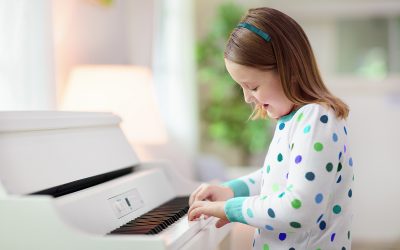
When adaptation becomes a trap: Recognising autism in girls The figures from current research are clear: around 80 percent of autistic girls are not diagnosed until the age of 18. In practice, this is evident every day - the diagnosis often only comes at 14, 16 or...
News
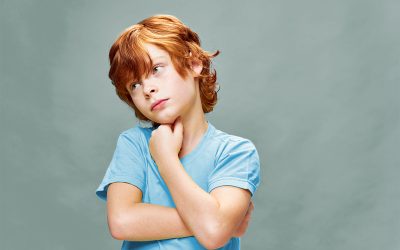
Autism strengths: Why we should talk more about talents
4. Mar 2026 | News
Autistic strengths: Focus on attention to detail, empathy and analytical thinking Autism is often viewed in a problem-oriented way. Yet autistic people have particular strengths - from attention to detail and analytical thinking to a pronounced sense of justice. And...
Laughing in your own way: discovering autistic worlds of humor
25. Feb 2026 | News
Humor on the autism spectrum: context makes all the difference Humor is rarely just a joke, but an interplay of timing, relationship and situation. In quiet moments, for example at home, in a familiar group of friends or when writing messages, humor can be very...
Creatively out of the ordinary: art, crafts and autistic talents
18. Feb 2026 | News
Creativity in autism: not the cliché, but real life When it comes to "autism and art", many texts immediately slip into extremes. Either every drawing becomes a miracle, or creativity is only explained as therapy. In between lies what families and professionals see...
Sesame Street over and over again: media rituals and comfort series in everyday life with autism
11. Feb 2026 | News
Why repetition often relieves autism Many families know the pattern: a series is not just watched "again", but over and over again, sometimes for weeks. Formats such as Sesame Street are often a good fit here because they are clearly structured, with familiar voices,...
Cooking with all your senses: When the kitchen becomes your favorite place
4. Feb 2026 | News
Cooking with autism: why the kitchen is often a good place to practise Cooking is part of everyday life. At the same time, it's a pretty good place to practise things that otherwise quickly get lost in the stress of the day: Keeping to sequences, making small...
The countdown is on: Further training to become an inclusion assistant starts on 02.03.2026
30. Jan 2026 | News
Become an inclusion assistant: Secure your place for the next course now The time is coming soon. On 02.03.2026, the JuCare Academy in Troisdorf will start the certified further training course for inclusion assistance with a focus on autism. In around five months...
Headphones on, world off: Music as a feel-good zone
28. Jan 2026 | News
Music and autism in everyday life: when stimuli become too much For many people on the autism spectrum, a normal day is full of small stimuli. Conversations in the background, clattering plates, bright lights, several things going on at once. This drains energy,...
Forest bathing for the soul: finding peace with nature
21. Jan 2026 | News
Nature and autism: why there is often less pressure outside It is not automatically quiet outside. Nevertheless, nature has a more constant effect on many people than typical indoor spaces or busy places. Instead of many short, harsh stimuli, there are often...
Inclusion as a team task: Why collaboration in schools is crucial
16. Jan 2026 | News
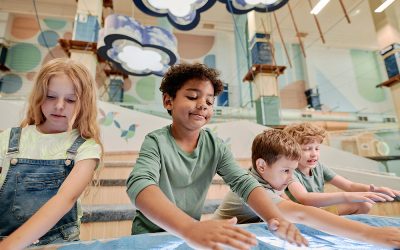
Mastering challenges as a team Whether inclusion is successful is shown in daily practice, not in concepts. And this practice is rarely "just lessons". It involves transitions, break situations, group work, conflicts, sensory overload and suddenly changing...
The joy of movement instead of club frustration: sport the autistic way
14. Jan 2026 | News
Sport and autism: it's often the environment that fails, not the exercise Sport is often associated with teams, full halls, quick changes and lots of social cues. It is precisely these conditions that can be challenging for children and young people on the autism...
Special interests in everyday life with autism: more than just a hobby
7. Jan 2026 | News
Focused and happy: special interests in autism as a resource in everyday life When children with autism talk about their special interest, their attitude and attention often change noticeably. A child with autism talks about trains, planets or bugs and suddenly there...