
Inclusion succeeds – when schools create the right framework
Inclusion of autistic children in mainstream schools is complex. But successful projects show: With the right approaches, it can work. Two practical examples – and what schools can learn from them.
Art as access: “pänz kreativ” in Cologne
A special program for children and young people with autism has been running in Cologne since 2010. In the “pänz kreativ” project, art teachers and autism therapists work together. Participants can express themselves creatively without the focus being on social expectations.
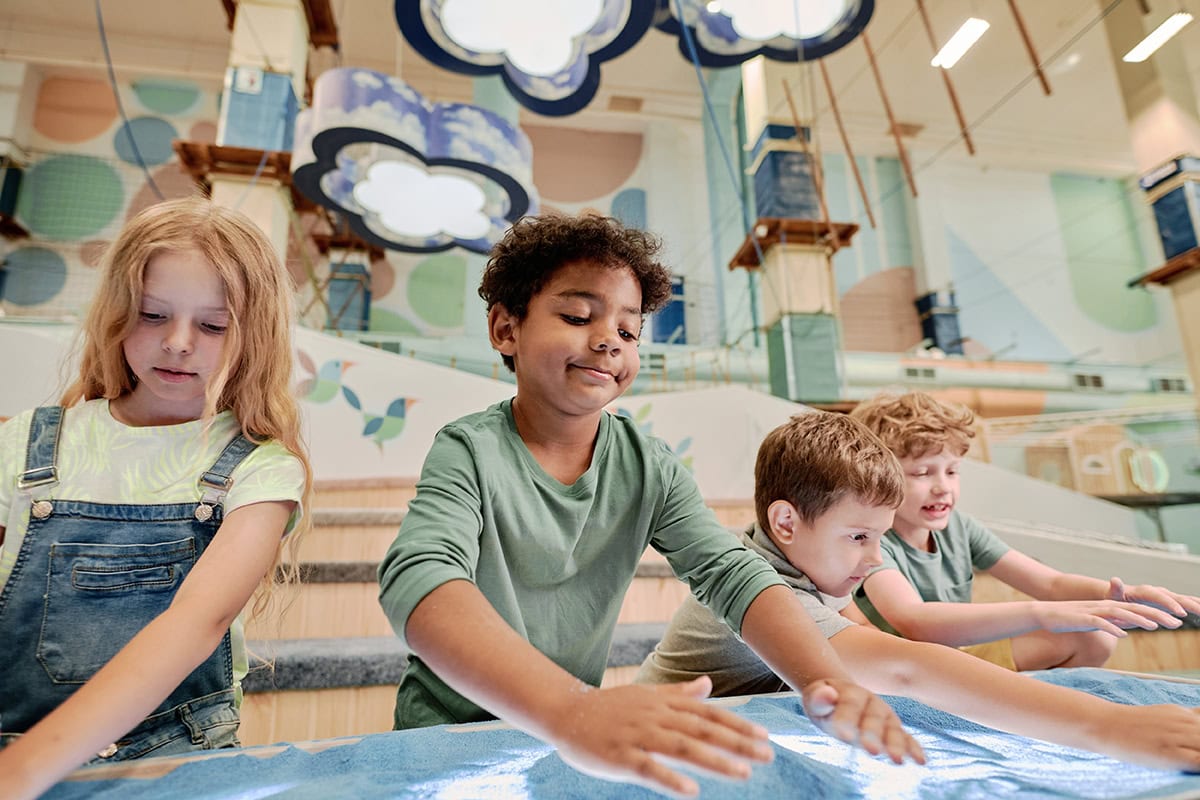
The format shows that Sometimes other approaches are needed than traditional group activities. Creativity can be a bridge when verbal communication is difficult. Such low-threshold offers can help many children to find access to their peers.
Breaking down barriers: The schAUT project
The Federal Ministry of Education and Research has funded the schAUT project. The project investigated the barriers that autistic pupils experience in everyday school life. The results are available as free handouts for teachers.
Topics such as sensory overload, structuring lessons and communication are dealt with in detail. The materials can be used directly in everyday school life. This helps schools to be better prepared with regard to the autism spectrum without teachers having to spend months familiarizing themselves with the subject.
What makes inclusion successful
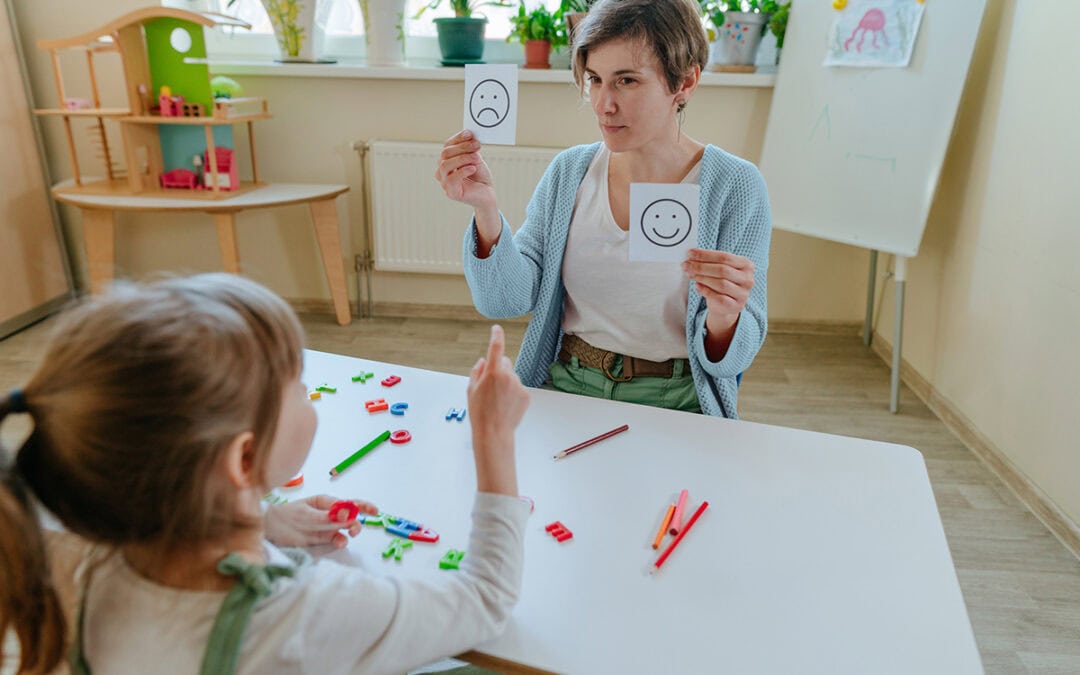
Clear structures give autistic children a sense of security. Fixed routines, visualized daily structures and clear rules help them to find their way in everyday school life. Spatial design can also make a big difference: places to retreat to in the event of sensory overload and low-stimulus workstations make a noticeable difference for many children.
If teachers, school support staff and therapists work well together, everyone can benefit. Regular communication and good information prevent misunderstandings. Further training for teachers is always worthwhile – it creates understanding and confidence. One thing that should not be neglected under any circumstances: Every autistic child has different needs.
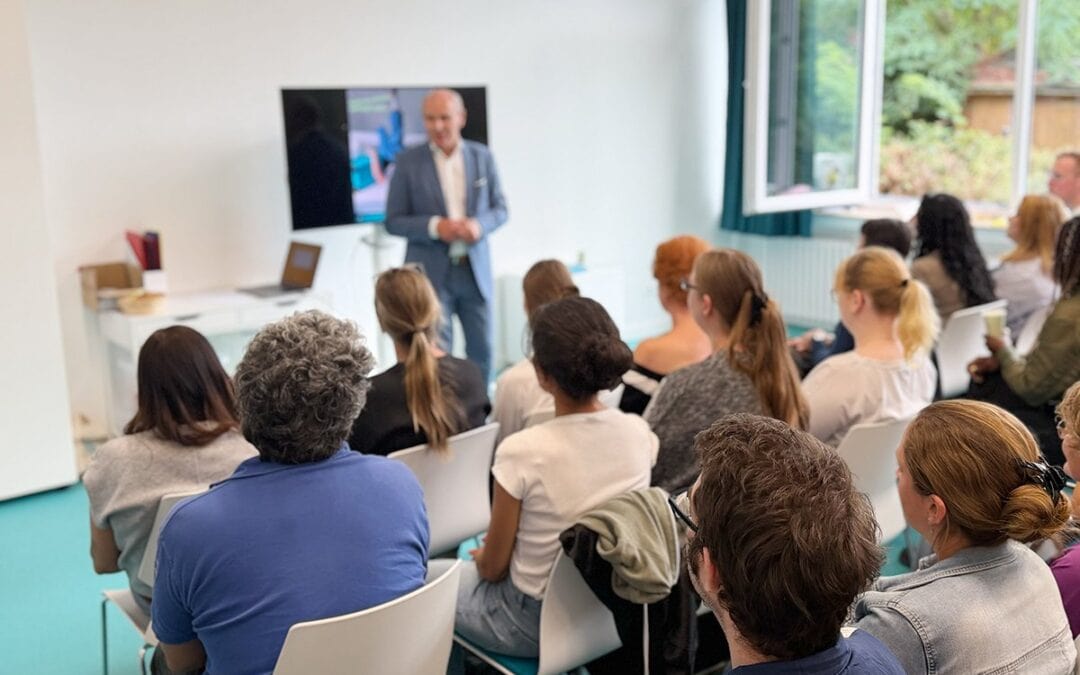
Successful inclusion is feasible. Above all, it requires good preparation, openness to different approaches and people who are committed. The materials and experience from successful projects are available – it is worth using them.
JuCare supports autistic children – and the people who are there for them
Inclusion succeeds when the right people work together. JuCare supports families and professionals with therapy, knowledge and a community that understands. Subscribe to the JuCare newsletter, discover the range of therapies on offer or visit us on Instagram – we look forward to supporting you.
Sources:
Sozialspende.de
– Project “pänz kreativ”
DGUV Pluspunkt – schAUT publication
German Education Server – INCLASS Project
autismus Deutschland e.V. – World Autism Day 2025