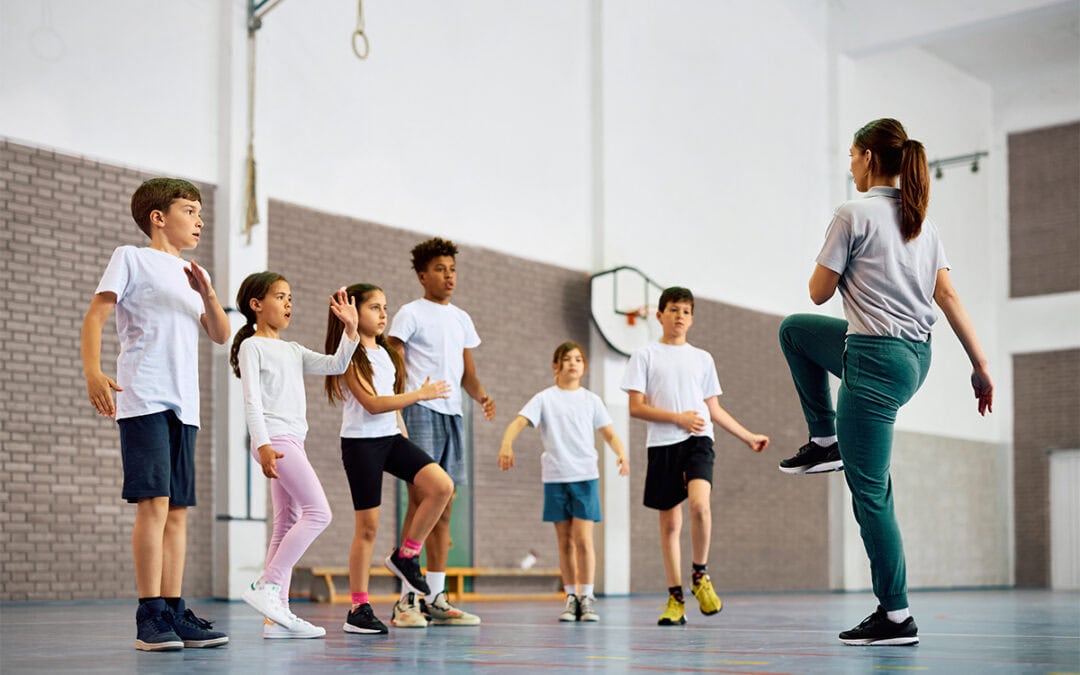


A child sits facing a task and hesitates. The school aide nearby notices this, knows exactly what should be done, and preempts the child with a specific reaction. The gesture is well-intentioned yet delicate. After all, the work of a school aide involves a question that is easily overlooked in the daily routine: When is it more helpful to simply do nothing?
Why can too much support be detrimental?
Because dependency can develop and become a habit. The task involves a delicate balance between waiting and intervening, and acting too hastily can produce the exact opposite of what was intended. A child for whom every obstacle is cleared away beforehand will eventually learn to wait rather than taking the initiative. They might learn to wait for assistance before trying things out for themselves. In the process, the experience of having accomplished something on their own falls by the wayside.
How do you recognize the right moment?
Through precise observation—and that is the most demanding part of the job. It requires a knack for sensing whether a child is truly stuck or simply taking a bit longer to think than the others. Physical distance matters, too. If you constantly sit right next to a specific child, the class eventually comes to view you as an inseparable part of that student; a classmate might then think twice about joining you during a break. Sometimes, simply moving two desks away is enough. The rapport with the teacher also suffers when everything goes through the support person; if a child turns only to the person beside them for help, the teacher risks losing direct contact with their student.
What is the actual goal?
To make oneself superfluous to some extent. It is about fostering independence and the ability to function within a community—and that includes stepping back whenever possible. In practice, this means allowing for small steps and accepting that things might sometimes go wrong along the way. Walking to the gym alone, using the tap during a break, asking the teacher a question without an intermediary. And if a child asks for help less frequently as the school year progresses, that is a good sign.
Want to know more about JuCare?
Knowing when to intervene — and when it is better not to — is not something one simply picks up along the way; that is why we provide professional support to our school companions. Find out more on our pages dedicated to school support and school companion coaching. If you are looking for a school companion for your child, you can submit a request directly here.
You can find regular updates on autism in our Newsletter and on Instagram.