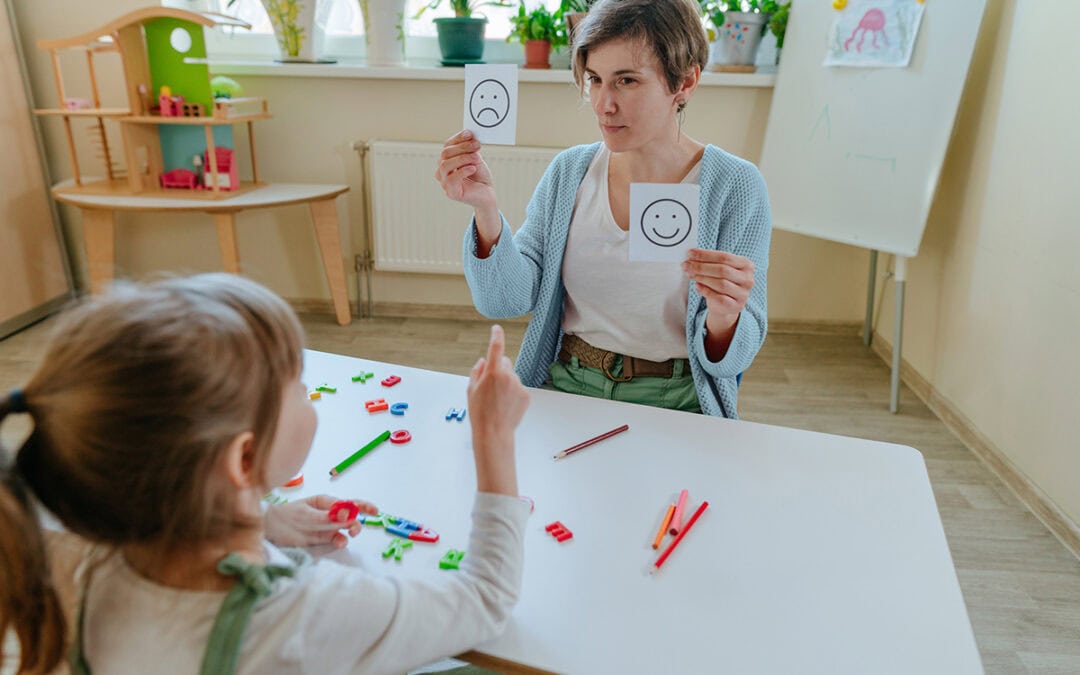

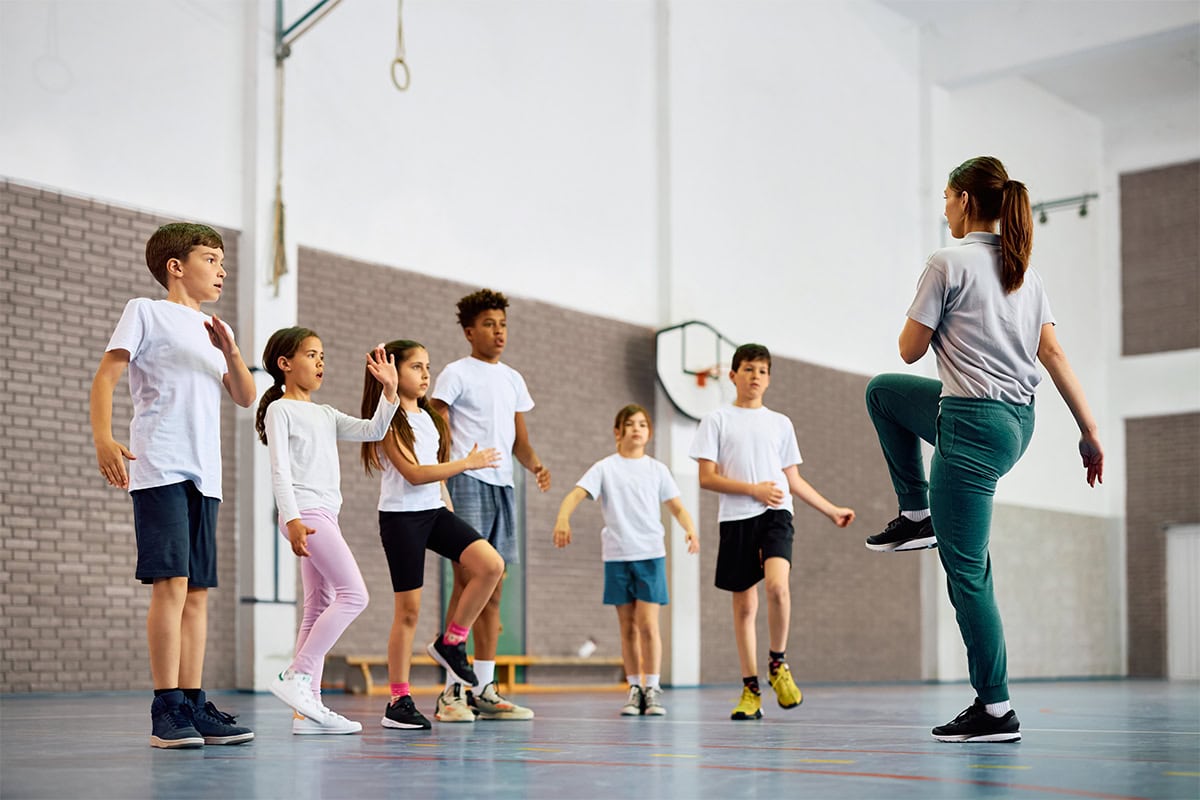
In dodgeball, one child is always picked last. They rarely catch the ball, stumble while running backward, and are still struggling with their shoelaces in the changing room when the others are already in the gym. To teachers, this can easily look like laziness or a lack of motivation. For many autistic children, however, there is an underlying issue that is rarely discussed.
How common are motor difficulties, really?
Far more common than most people think. Recent estimates suggest that motor difficulties can be identified in up to 87 percent of autistic individuals. The spectrum ranges from an unusual gait and difficulties with catching and throwing to barely legible handwriting. Despite this, it is still not considered a core characteristic of autism and remains one of the most overlooked issues of all. It is also rarely treated; according to available figures, only about a third of affected children receive any support for it.
What is particularly difficult about PE class?
Much of sports involves movements that are meant to be observed and immediately imitated. This is precisely what makes things exhausting for many autistic children, as planning and organizing movement sequences requires extra time and attention. Consequently, it takes longer for them to master a new movement pattern and for it to become automatic compared to their classmates. Then there is the ambient noise of the gym: the echoing, the whistles, and the balls coming from various directions. For anyone who already struggles to coordinate sensory input with movement, this presents an additional challenge. And because a child might repeatedly be the last one picked for ball games, they eventually lose the desire to participate at all. This means losing out on the very opportunities where social connections would otherwise naturally form.
What helps in the daily school routine?
The most helpful thing is realizing that this is a genuine difficulty, not a matter of laziness. When a teacher understands this, their approach changes: movements are demonstrated more slowly and broken down into individual steps, the child is given more time to practice, and the order in which teams are picked does not determine the rest of the lesson.
A school support aide can mitigate many of these issues by going through routines with the child beforehand and providing assistance as early as the changing room—where difficulties often begin. In cases of significant challenges, it is worth considering occupational or physical therapy, as it is a proven fact that far from all children receive the support to which they are entitled. And sometimes, an adapted activity other than ball games is the better approach to help a child once again associate physical activity with something positive.
Want to know more about JuCare?
Especially in PE classes, the support a child receives often determines whether they stick with it or drop out. You can find out how we handle this on our school support page. If you are looking for school supportfor your child, feel free to contact us directly here!
You can find regular insights into autism in our newsletter and on Instagram. Feel free to subscribe and follow us!