

Teaching Units for School Classes
It is not uncommon for them to react to this with very individual behavior and reactions that are often incomprehensible to the other students. Special interests and inclinations in relation to school content and leisure activities are also often incompatible with the “mainstream” of the class. These different interests and behaviors often lead to tensions that can only be dealt with productively if the class community is given space for reflection and exchange.
Dealing with differences and accepting diversity in the group requires an understanding of one’s own needs and those of others. Classmates do not have to approve of the special needs of students with special needs, but they should learn to find ways of dealing with them individually and satisfactorily in a way that does not allow for exclusion. But what about the other individual characteristics in the classroom community?

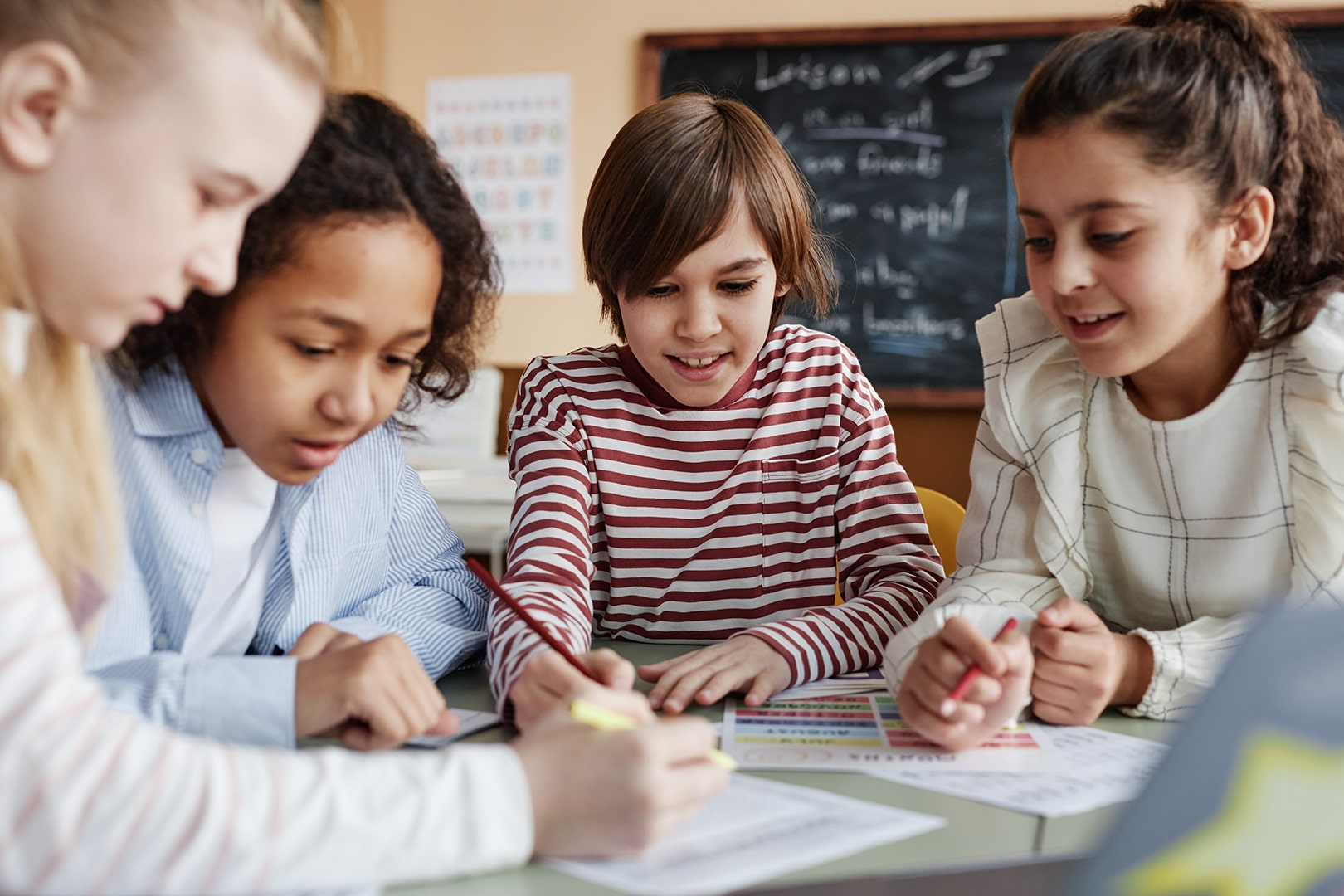
In this way, we promote mutual understanding, strengthen the class community and support the sustainable social participation of pupils with individual support needs.