
Cooking with autism: why the kitchen is often a good place to practise
Cooking is part of everyday life. At the same time, it’s a pretty good place to practise things that otherwise quickly get lost in the stress of the day: Keeping to sequences, making small decisions, taking breaks when it gets too much. And in the end, something happens that you can see, smell and taste. For many children with autism, this “I’ve made something and it’s ready” is a powerful feeling.
This is another reason why cooking is often mentioned in care as a practical everyday skill that can be strengthened step by step, for example as part of autism therapy support.
Sensory perception when eating: Smell, texture and sounds are not “just habit”
Many families know that eating is a real pain. Certain smells are too strong, textures feel unpleasant, a crunching sound can be distracting, some foods look difficult before they are even tasted. This often has to do with sensory processing and can be more pronounced in children with autism.
When food is so charged, cooking can still be a bridge, but only when the pressure is off. No one becomes more relaxed if every meal is seen as a test. Especially with highly selective eating behavior, it is also worth keeping a watchful eye on possible deficiency risks and whether professional support makes sense.
Cooking together: More than recipes, more like training for everyday life and togetherness
There are concepts that explicitly use cooking as a framework to promote independence, planning and social skills. It’s not about “cooking perfectly”, but about preparing together, making arrangements, taking on tasks and eating together at the end.
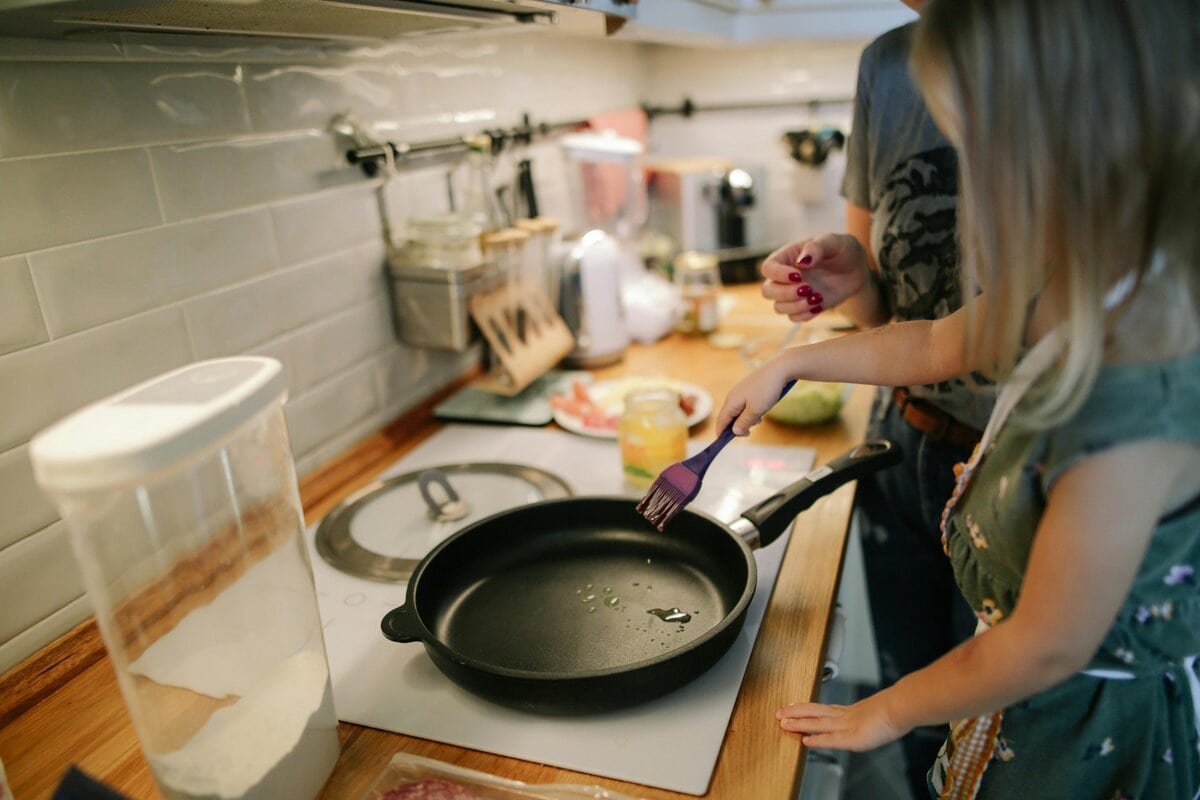
In everyday family life, this works best when cooking starts small. A snack is often better than a whole meal. One task is enough. Wash the vegetables, measure the rice, set the timer, pick the herbs. This creates participation without feeling overwhelming.
This makes it easier: adjustments that work in real life
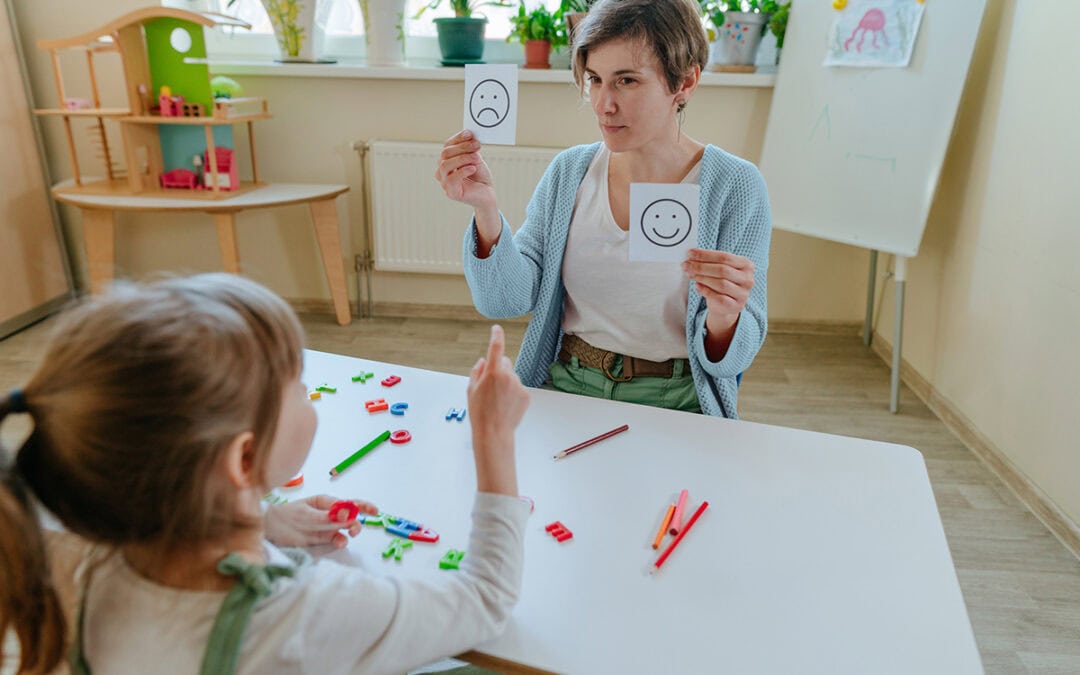
Many reliefs are surprisingly unspectacular, but have an immediate effect. A calm, repeatable sequence helps. First wash your hands, then prepare the ingredients, then chop, then cook. If you like, you can work with pictures or short cards with the steps on them. If you are sensitive, it can also help to reduce odors, for example by preparing food cold at the beginning, using good ventilation or using ingredients that are mild. If certain textures are difficult, the child can still join in without having to touch them. Tongs instead of fingers, gloves, a separate chopping board, small bowls in which ingredients remain separate. And something else that is often underestimated: Choice. Not ten options, but two. Do you want to slice the cucumber or wash the tomatoes. Do you want to drain the pasta or set the table. This keeps control where it’s needed without everything being open.
When the kitchen is still not a feel-good place: This is not a failure
Not everyone finds cooking relaxing. Some simply find the noises, smells or handling hot things too much. In this case, participation can look different. Shopping with a clear list, sorting food, packing a lunch box, making tea, setting the timer, doing the dishes. These are real, meaningful contributions that promote independence without overtaxing the sensory system.
Interested in support from JuCare?
If you are interested in autism therapy support or would like to find out more without obligation, you can find out more at JuCare further information on autism therapy. In addition, JuCare offers everyday ideas about school and support – for example in this article on successful inclusion.
Sources:
Autismus Deutschland e.V.: BT Dortmund – Inklusive Leitung, 10.06.2017 (PDF)
Gesundheitsinformation.de (IQWiG): How is autism treated?
SI-GA: Sensory sensitivity and food selectivity in children with autism spectrum disorder