

Music and autism in everyday life: when stimuli become too much
For many people on the autism spectrum, a normal day is full of small stimuli. Conversations in the background, clattering plates, bright lights, several things going on at once. This drains energy, sometimes even before anything “difficult” happens. Music can help in such moments because it offers something concrete for the mind to focus on: Rhythm, repetition, a clear structure. Some people then notice that their body becomes calmer, others simply feel less exposed.
It’s not about a particular style of music. It is often important that the music is familiar and fits in with what is needed at the time. For one person this is something calm, for another a steady beat. And for many, just putting on headphones is a signal: now I have some space.
Why familiar songs often work so well
Many people listen to certain songs very often. This can look like “always the same” on the outside, but it is often a sensible strategy in everyday life. Familiar music doesn’t come as a surprise. You know what’s coming next. It is precisely this predictability that can provide relief when things are otherwise unclear or moving too fast. Music is also often used to categorise feelings.
Not everyone can immediately put into words whether they are feeling stressed, anxious or overwhelmed. Music can then act like a pigeonhole: This suits me, this is how it feels, I can cope with it. Research also suggests that musical processing can be easily accessible to autistic children in certain areas, even if language is more difficult in some situations.
Music as support: at home, on the go, at school
Small, unagitated solutions help in everyday life. A short playlist for the way to school or home. A “music window” after appointments that take a lot of energy. A favorite song as a break between tasks. This works particularly well if it is not sold as a reward, but as a normal part of the daily structure.
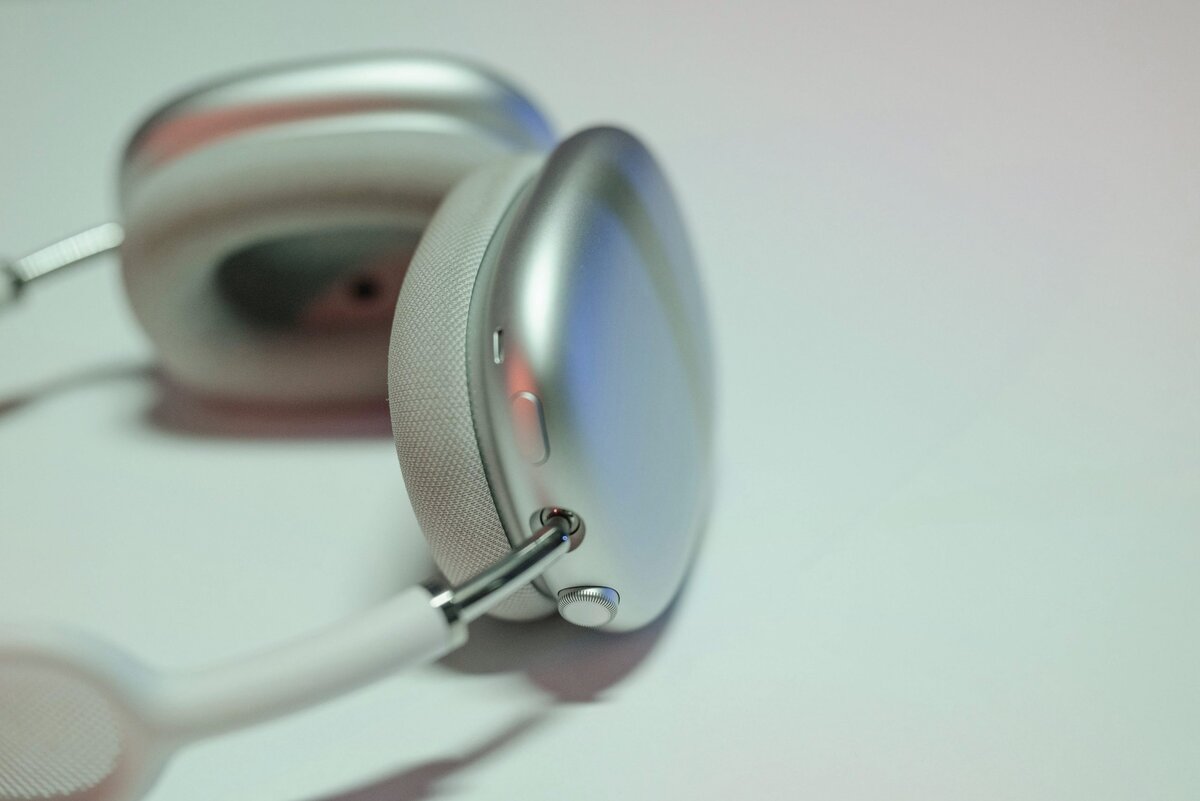
It is worth taking a look at comfort when you are out and about. Headphones must fit comfortably, otherwise they become an irritant themselves. If you react strongly to noise, you can carry additional ear protection with you, simply as a backup. And if the environment is very noisy, music without vocals can sometimes help because less speech has to be processed. This is not a must, but rather an option that some people find easier.
Sources:
DMTG (2021): No music therapy for autism? Statement of the German Music Therapy Society on the new AWMF S3 guideline Autism Spectrum Disorders … Part 2: Therapy (PDF)
AWMF S3 guideline (reg. no. 028-047l, 2021): Autism spectrum disorders in childhood, adolescence and adulthood – Part 2: Therapy (long version, PDF)