

What TEACCH Is All About
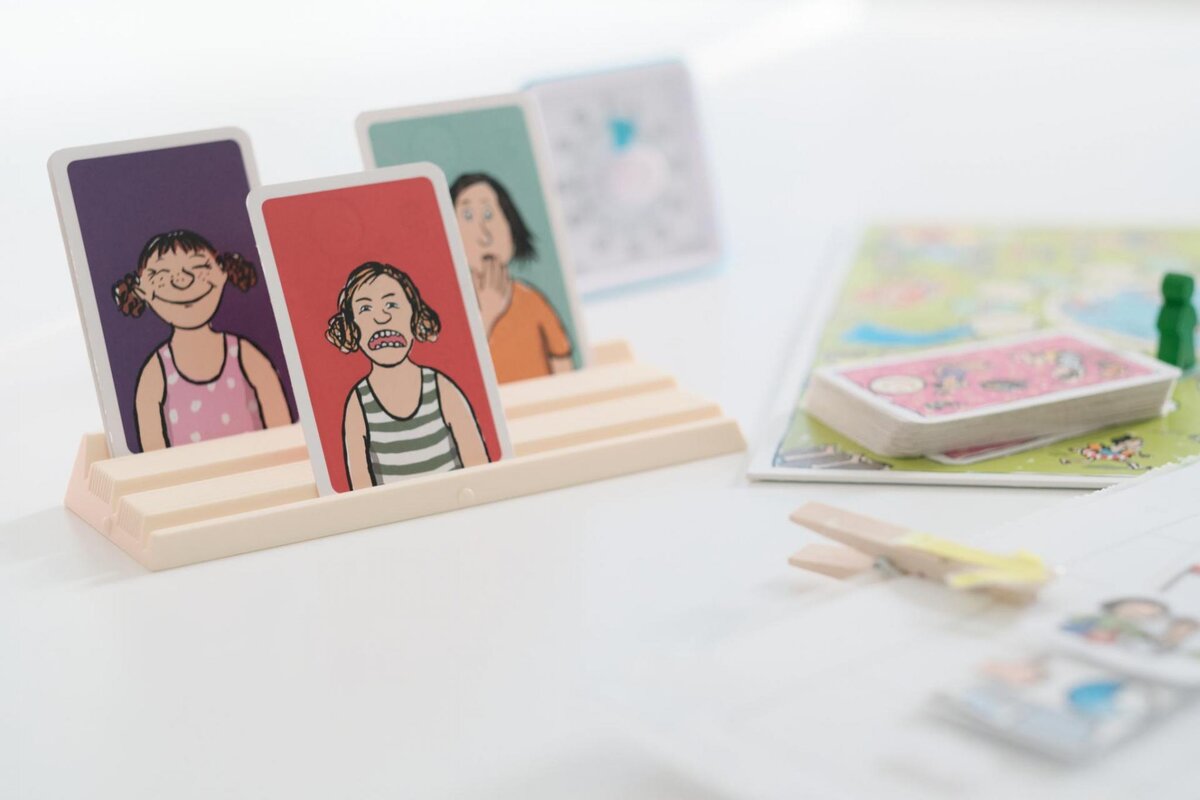
TEACCH is often described as a rigid method, but in practice it proves to be more of an educational-therapeutic approach. Children with autism cope better when they know what to expect and where to start. That’s why TEACCH focuses less on complicated training exercises and more on the environment. Many situations that would otherwise seem overwhelming become easier to understand when routines are made visible: a small set of cards for the morning, a workspace that’s always set up the same way, or a shelf that clearly marks what’s finished and what’s still pending. This structure takes the pressure off in moments when the child is bombarded with many stimuli at once.
How Structure Can Make a Difference in Everyday Life
Visual aids are among the most important building blocks. They don’t have to be perfect materials. A simple picture for recess, an arrow marking the starting point, or a colored folder are often enough to help a child organize their thoughts better. In schools, it’s striking time and again just how effective these small cues can be. A child who gets lost during group work can participate more effectively if they see in advance what task they’re supposed to take on and how long that phase will last. Other children need a designated spot in the room where they can briefly retreat when things get loud or chaotic.
Many professionals report that consistent use of symbols provides children with a sense of orientation and security. When teachers, school support staff, and therapists use the same visual cues, it creates a reliable, consistent rhythm in the child’s daily life. Parents also note that this approach must be consistently applied at home as well, so that the structure remains meaningful and effective for the child.
Why TEACCH Is a Good Fit for Children
TEACCH creates an environment in which children feel secure enough to take their own steps. The approach remains flexible because it is guided by individual needs rather than fixed rules. Much progress arises precisely from this interaction: A child understands a task more quickly, moves more freely, or is more willing to try new things. TEACCH has a subtle yet effective impact because it gives children the space to find their own way at their own pace.
How JuCare Uses TEACCH in Practice
At JuCare, TEACCH is not viewed as a rigid program, but rather as an educational approach that offers children guidance and security. In autism therapy as well as in school support, our school support staff and therapists make comprehensive use of TEACCH, including visual aids, clear routines, and carefully designed transitions that have proven effective in everyday life. At the same time, the approach remains flexible: every form of support is individually tailored to the child in question. For us, TEACCH is not a rigid framework, but a practical way to provide structure for the child while taking their individual needs and strengths into account.
Interested?
Would you like to learn more about how we implement TEACCH in practice? Then check out our autism therapy and discover practical examples on Instagram , or expand your professional knowledge at the JuCare Academy. It’s worth checking out!