

What Is Stimming in Autism: Small Movements with a Big Impact
A child rocks back and forth, snaps their fingers, hums, twirls a pen, or repeatedly runs their hand along the edge of a piece of fabric. To an outsider, this sometimes seems “unnecessary.” For many people on the autism spectrum, however, it serves a purpose. Stimming refers to self-stimulatory behavior and can help sort through internal chaos: either calming down too many stimuli or making up for too few.
It’s important to shift perspectives: This isn’t automatically a symptom that needs to be eliminated. Often, it’s an attempt to maintain balance.
Stimming and Joy: When Self-Stimulation Also Expresses Happiness
One point often gets lost in many explanations: Stimming doesn’t just happen when someone is stressed. It can also express joy. Concentration. Excitement in anticipation of something wonderful. Anyone who’s seen it once can tell the difference. The rapid fluttering of the hands when something works out. The soft humming while building a Lego model. The rhythmic rocking while listening to a favorite song. These aren’t “disorders”—they’re signals.
Accompanying stimming in everyday life: Why suppression creates pressure
Stimming is often suppressed in school and everyday life because it’s noticeable. Some adults mean well and say, “Stop it, or people will stare.” The problem is, when you close the valve, the pressure increases. This can ultimately lead to overload, not to “better behavior.”
Stimming refers to repetitive movements, sounds, or sensory behaviors. Everyone does things like this; for people on the autism spectrum, it’s often more noticeable. The visible behavior isn’t the problem; the problem is usually the underlying cause: sensory overload, tension, or anxiety.
Dealing with Stimming: Practical Ideas for School and Home
1. Observe instead of reflexively stopping it. If stimming suddenly intensifies, it’s worth taking a look at the surroundings. Was it louder than usual? Was there time pressure? Is the situation unclear?
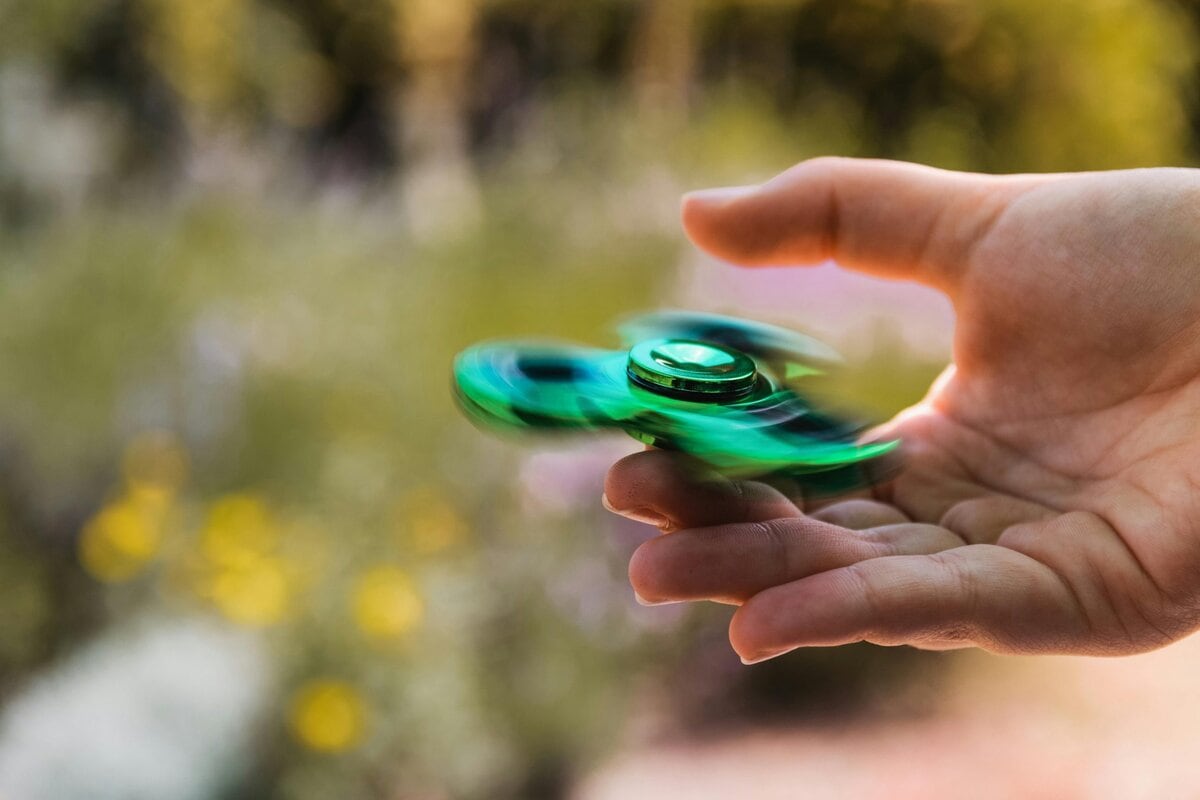
2. Allow for safe options. A fidget toy in your pocket, a stress ball, a smooth stone, a spot on the sidelines where you can rock back and forth briefly without anyone saying anything. It may seem trivial, but it’s often the difference between “I can do this” and “I have to get out of here.”
3. Set clear boundaries without drama. If something becomes dangerous—such as self-harm—then protection and alternatives are needed. That’s a different situation than harmless rocking or humming.
Stimming isn’t the problem. Sometimes it’s the reason someone is able to get through the day at all. And sometimes it’s just a little bit of happiness in motion.
Interested?
Individual Therapy at JuCare – Information on the Therapeutic Services Offered.
JuCare Academy – Continuing education and professional development programs focused on autism.
JuCare on Instagram – The Latest Insights, Inspiration, and News
Sources
Autismus Nordbaden-Pfalz: Leben mit Autismus – Erziehung
Neurodinge: Stimming
Autismus Therapie & Schulbegleitung : Was ist Stimming?