
Sport and autism: it’s often the environment that fails, not the exercise
Sport is often associated with teams, full halls, quick changes and lots of social cues. It is precisely these conditions that can be challenging for children and young people on the autism spectrum. Not because exercise is fundamentally difficult, but because the environment can quickly become overwhelming. A high noise level, physical proximity, spontaneous rule changes, the expectation of eye contact or the dynamics in groups often cost an enormous amount of energy. If such factors are ignored, frustration arises on all sides. If they are taken seriously and planned for, sport can become accessible again and, for some, even become something they really enjoy doing.
Exercise can help to regulate tension, improve awareness of one’s own body and establish reliable routines. Specialist texts also describe that sporting activity can strengthen various areas in young people with autism, for example motor skills and stress regulation. The decisive factor is not so much the type of sport itself, but the fit between the person, setting and structure.
Which forms of exercise often work well
There is no one-size-fits-all solution. Nevertheless, many experiences show that certain characteristics often make activities much more accessible: clear sequences, predictable exercises, easy-to-understand rules, little restlessness and a pace that can be determined by the children themselves as far as possible.
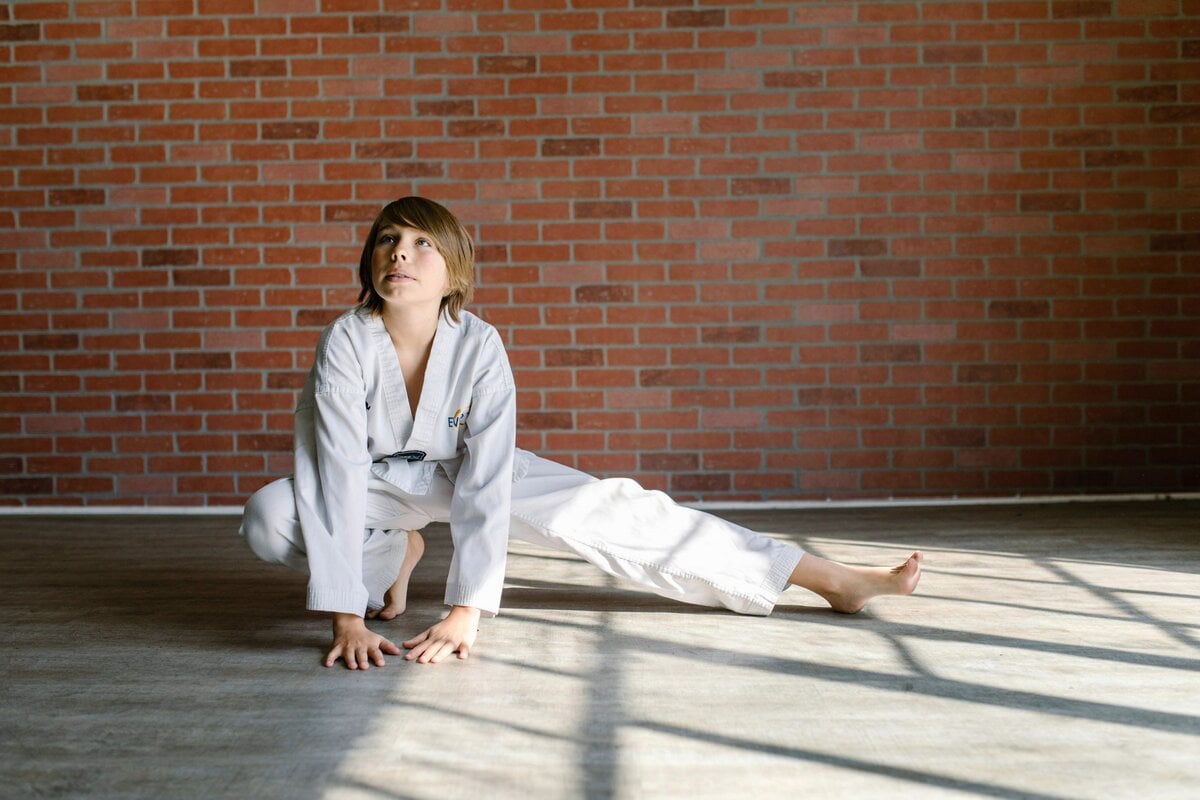
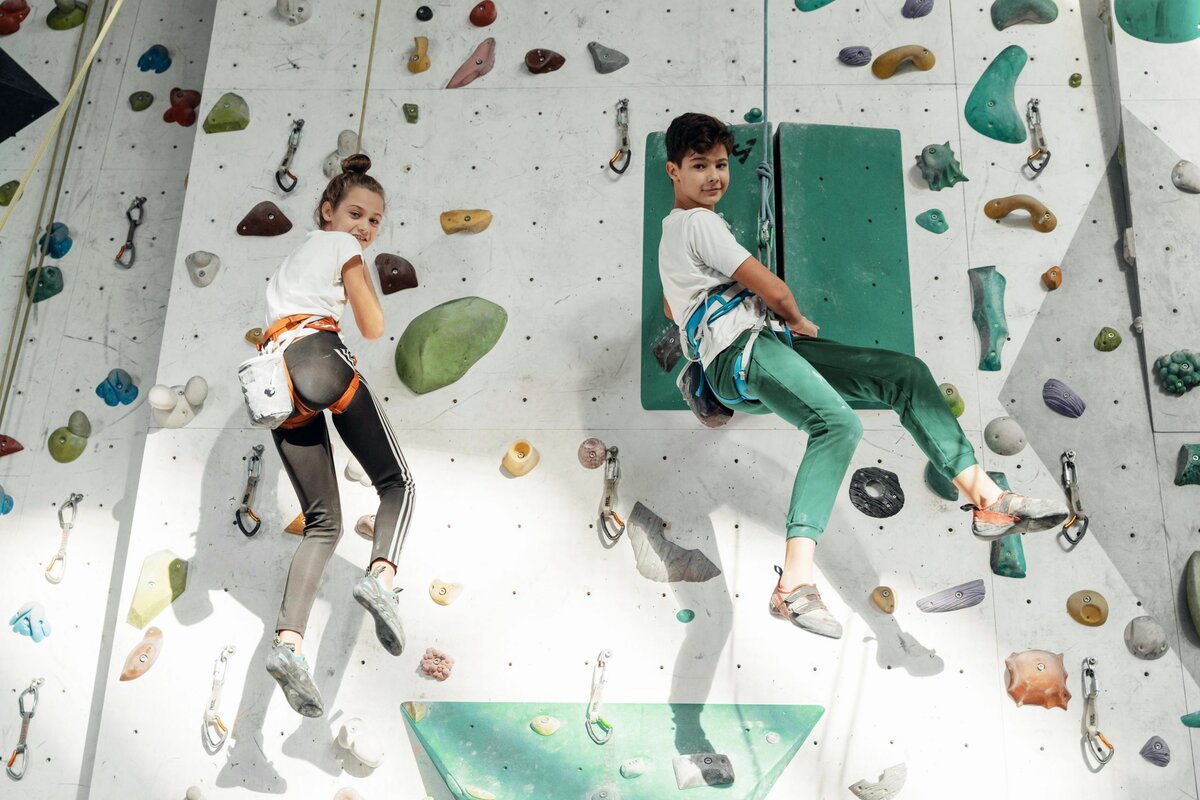
Many people find swimming enjoyable because the movements are smooth and the water can provide clear body feedback. Climbing or bouldering can be a good fit because the focus is strongly on a specific task and breaks are easy to plan. Cycling and running often work because the route and pace can be chosen flexibly and the requirements for social interaction are low. Martial arts can also be a good option if the training is structured, rules are clearly communicated and trainers clearly announce what will happen next. For some, group size is the decisive factor. Small groups often mean less stimulus pressure and a better overview. Sometimes individual training is also useful, at least to start with, until confidence is established and procedures are familiar.
Getting started without pressure: What parents and professionals can keep in mind
A good start is often achieved in small doses. A trial session can be enough to assess whether the environment, volume, tone and procedure are suitable. It is helpful to clarify specific questions in advance: How does a lesson typically run? How full is it? How loud will it be? Is there an opportunity to take a short break? Some people benefit from taking a quiet look at the venue before actively participating. Communication also often has a relieving effect if it remains clear and practical. Short, concrete instructions often help more than long explanations. Pauses are fine. Announcements should be clear. Touching only after prior notice. Many trainers can handle this well if they know what is needed and what they should pay attention to.
If the club doesn’t work out: there are other ways
If a club doesn’t work out, that says nothing about the child or their basic ability to play sport. Sometimes the culture is simply not right, or the conditions are too unsettling. Then it’s worth looking at alternatives, such as courses with a quiet atmosphere, open sports times with fewer crowds, exercise in nature or fixed exercise routines in everyday life.
Often it’s not the big sessions that make the difference, but regularity without stress. Even short, reliable exercise sessions can make a big difference if they feel safe and do not involve excessive demands every time.
More about autism at JuCare
If you are interested in other autism-related topics or would like to find out about possible autism therapy, you will find two suitable starting points here: Further information on sensory self-regulation in the autism spectrum (e.g. stimming as a strategy for stimulus and stress regulation) can be found here: Understanding stimming – sensory self-regulation in autism. You can also find a concise overview of supportive approaches and building blocks for support at Autism therapy. If you have a concern or would like to request a consultation, you can contact JuCare directly here: Contact.
Sources:
Kauczor-Rieck, K., Allroggen, M., & Gradl-Dietsch, G. (2024). Sport and exercise therapy in the treatment of mental disorders in children and adolescents.
Nass, R., & Hammer, R. (2021). Bringing movement into autism: Designing movement activities for people with autism.
Krieger, B., Riedi, E., & Schwager, C. (2021). Inspiring young people with autism spectrum disorder to participate in sports: Approaches to support participation in sports activities.