

Support in Everyday School Life
When discussing inclusion, the term comes up quickly, but many people can’t say exactly what school inclusion actually means. One thing is clear: Without this support, some children and teens would not be able to participate in class the way they need to or want to. School companions ensure that the school day goes smoothly—not through dramatic gestures, but through countless small moments that provide guidance and ease anxieties.
What Really Happens in the Classroom
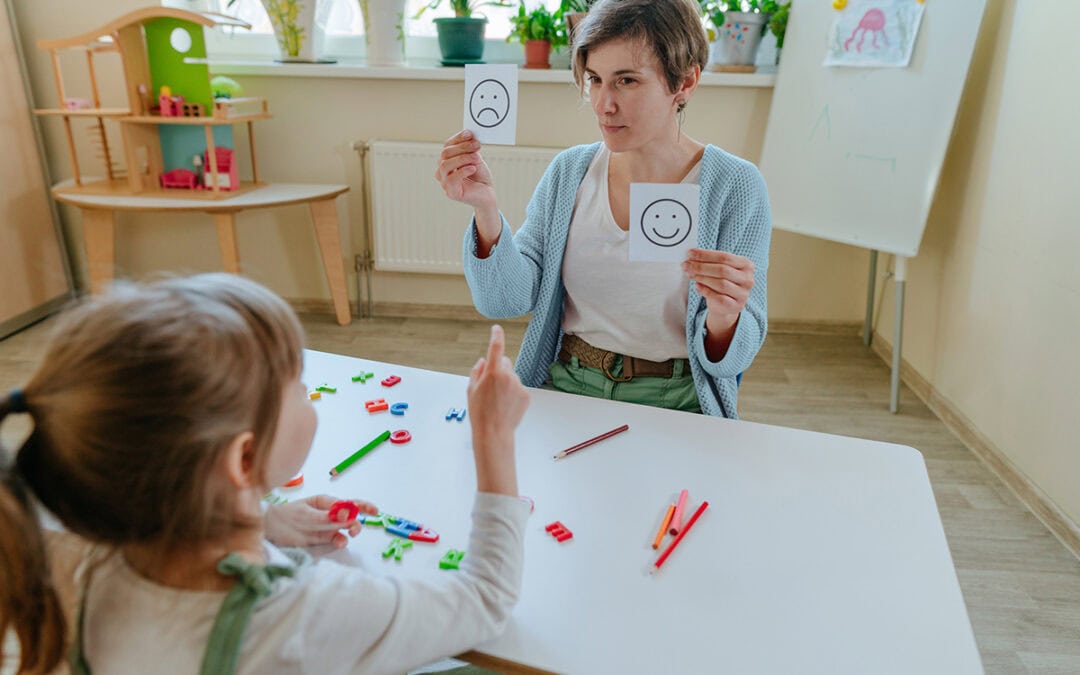
A school day is full of situations that can easily become overwhelming. A change of classrooms, group work, too much noise, or a task that suddenly becomes more complicated than expected. For many children, this is just part of everyday life; for others, it quickly becomes too much. This is where a classroom support specialist steps in. They help keep the child focused on the main task, provide a sense of calm, or explain once again—in the child’s own words—what needs to be done next.
This role is more nuanced than it sounds. Any amount of help can be too much or too little, depending on the child, their mood, or how they’re feeling that day. Sometimes a quick nod is enough, sometimes a few clear words, and sometimes just being there. On top of that, there are conversations with teachers, providing feedback to parents, and constantly asking how best to offer support. A school companions specialist’s role is therefore less a clearly defined set of tasks and more a sensitive, supportive presence in a young person’s everyday life.
Why Preparation Makes Such a Difference
Those who take on this work are constantly navigating educational requirements, social situations, and individual needs. This becomes particularly evident when working with children and adolescents on the autism spectrum. Their perceptions often differ significantly from those of other children. Noise, a fast pace, or unclear routines can become stumbling blocks.
Good preparation helps you recognize such moments early on, rather than waiting to react until things get difficult. A solid education provides knowledge about structures, routines, communication, and typical situations that arise in everyday school life. This fosters a greater sense of confidence in your own actions and in the responsibilities you bear.
The JuCare Academy’s new continuing education program, “
” Starting in March 2026, interested participants can learn how to provide professional support for children and adolescents that is both technically sound and empathetic. The program fosters an understanding of perceptual differences, strengthens the ability to build relationships, and demonstrates how to collaborate effectively within a child’s environment. This builds confidence in handling the many different situations that arise in everyday educational practice. Theory doesn’t just stay on paper. A practical component and a 6-week internship provide opportunities to observe and experiment with one’s own behavior and to apply what has been learned in a real-world setting.
After completing the training program, you will work as an inclusion assistant. This role focuses not only on providing support in the moment, but also on pathways for development, independence, and how to make participation sustainable.
Why This Work Makes a Difference
When a school companion program works well, you often don’t notice it at first glance. Children who would otherwise be left out remain part of the group. Lessons become understandable to them. Situations that previously seemed chaotic take on structure. And sometimes, all it takes is a calm remark at the right moment for a child to get back on track for the day.
For school support workers themselves, this opens up a career path that is meaningful and involves responsibility. The new continuing education program from the JuCare Academy lays a foundation for this that is both practical and professionally sound, empowering people to make a real difference in the daily lives of young people.
Curious? Click here to learn more!
More information about the new certification program, as well as registration details, can be found on the JuCare Academy website. The site provides a clear overview of all course content, the start date of March 2, 2026, and other details regarding the training program.
Click here for the training program to become an inclusion assistant!