
For most families, summer vacation is the best time of the year. Finally, time without an alarm clock or a schedule. For many children with autism, however, this means the very thing that gave them stability in their daily lives disappears. When the reliable structure of the school day is gone, the free time that everyone else looks forward to becomes, of all things, the most difficult time of the year.
Why are Vacations, of all Things, so Difficult?
During the school year, the daily routine naturally provides a structure, and that helps many children with autism get through the day at all. During school breaks, every day is a blank slate. On top of that, vacations involve a new environment where suddenly everything is different: the room smells unfamiliar, the bed feels wrong, and the beach is loud and way too crowded. For a child who already takes in stimuli unfiltered, this is an enormous burden all at once. What’s supposed to be a relaxing break for the family feels like constant stress for the child for days on end. And if there’s nowhere for this tension to be released, the fun trip quickly ends in a meltdown right in the middle of the beach.
How much Structure is beneficial for a Vacation?
It helps to bring along a few familiar routines. If the child eats and sleeps at roughly the same times even while on vacation, and a few familiar rituals remain, this gives them a sense of security in an unfamiliar environment. It also helps alleviate anxiety for many children when they know in advance what to expect. Looking at a few photos of the vacation home together or going over a rough schedule for the week can turn the big unknown into something more manageable. It’s not about having a meticulously planned week. It’s enough to maintain enough predictability so that the child feels secure.
What comes in Handy when you’re on the Go and at your Vacation Destination?
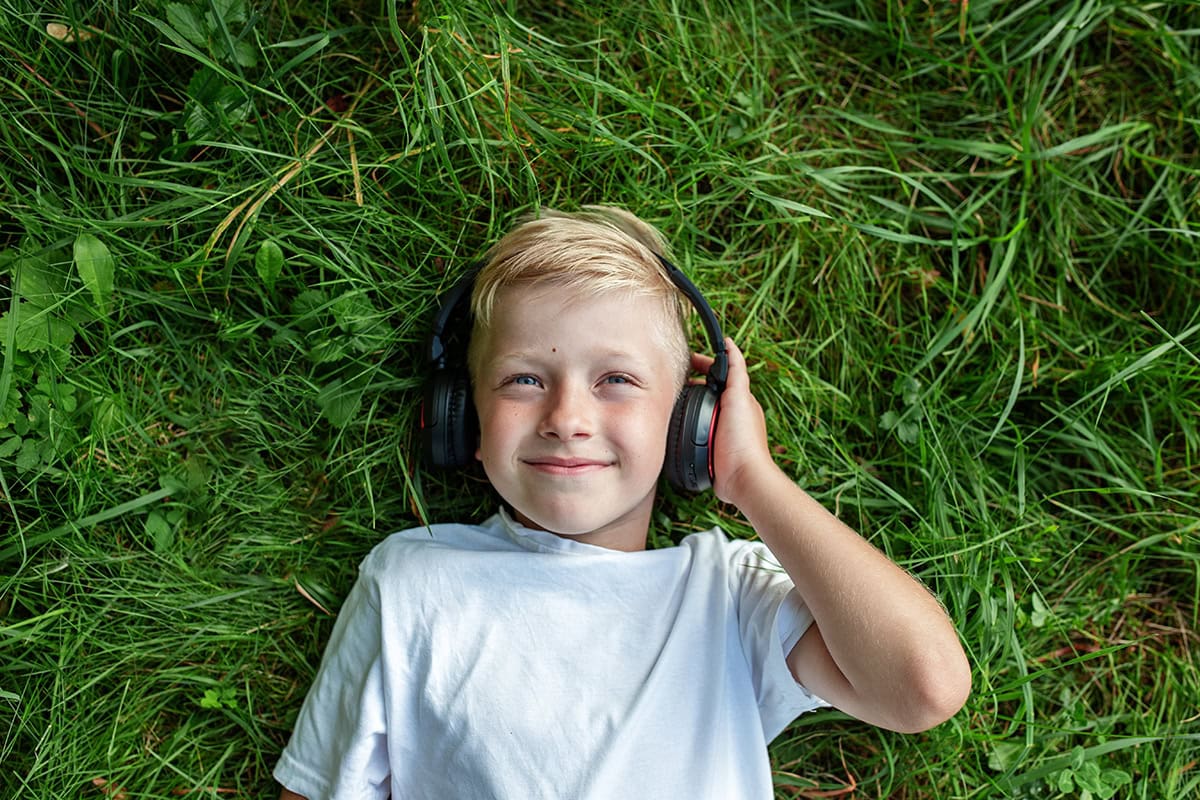
If a child is sensitive to noise, headphones are often worth their weight in gold; in bright sunlight, a cap is a must; and a familiar stuffed animal is a must-have anyway. When it comes to the destination itself, a quiet setting pays off, because a small town in the off-season is easier for many children to handle than a crowded beach in the height of summer. Just as important are intentional breaks and a safe space where the child can retreat as soon as things get overwhelming. And parents shouldn’t forget about their own relaxation—it’s often the first thing to fall by the wayside in all the hustle and bustle. In the end, a successful vacation with an autistic child can certainly be on a smaller scale than what’s in the travel brochure. As long as everyone goes to bed reasonably content in the evening, it was just right.
Want to see more from JuCare?
Would you like to better support your child in everyday life and in special situations? Learn more on our page about autism therapy. You can also contact us directly at any time. If you’d like to receive regular, in-depth insights about autism, feel free to sign up for our newsletter.